
Drill Stem Test (DST) in Petroleum Engineering: Purpose, Procedure, and Interpretation
A Drill Stem Test (DST) is a critical procedure in petroleum engineering used to evaluate the characteristics of a reservoir and the potential
A Drill Stem Test (DST) is a critical procedure in petroleum engineering used to evaluate the characteristics of a reservoir and the potential

Oilwell cement is Portland cement adapted to well conditions with additives that control thickening time, strength development, density, fluid loss, […]
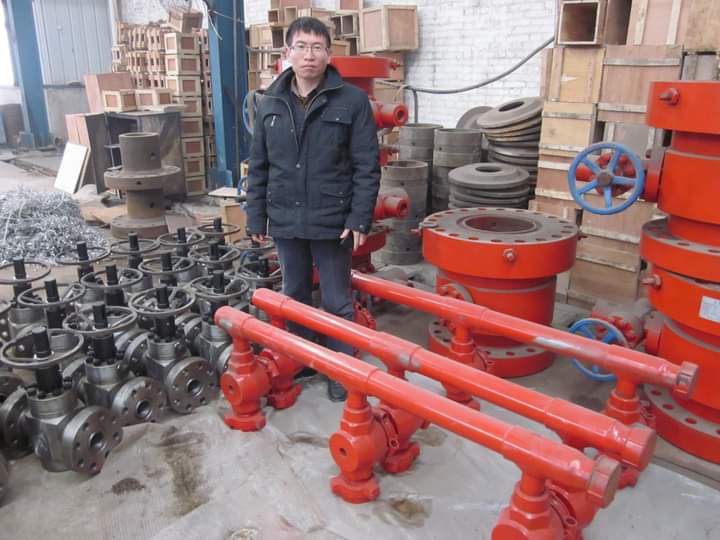
A blowout is one of the most severe and dangerous events that can occur during drilling operations in the oil and gas industry. It happens when there
Primary cementing places a cement sheath between casing and formation. In a well integrity system this sheath is a well […]
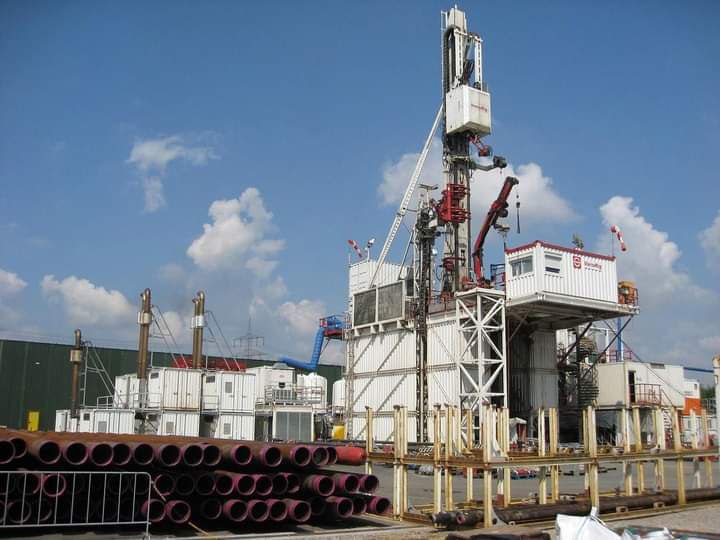
The kick phenomenon is a critical and potentially dangerous event in drilling operations. It occurs when formation fluids, such as oil, gas, or water,
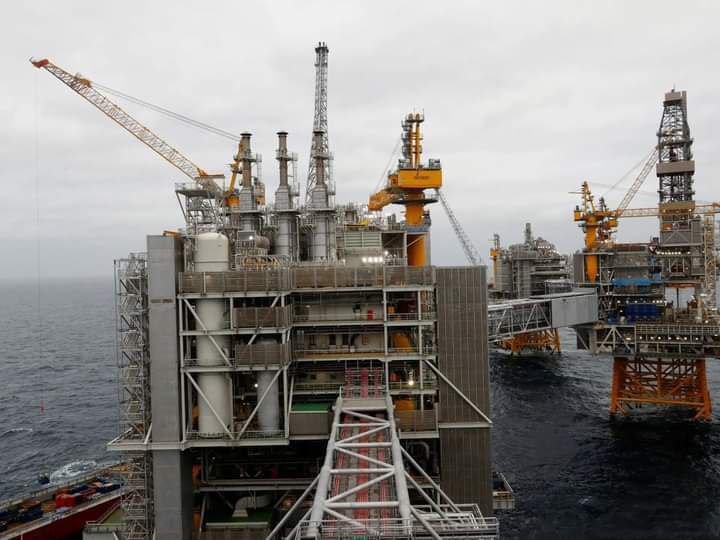
API burst, collapse and tension ratings each treat one load at a time. In a well, casing carries axial force, […]
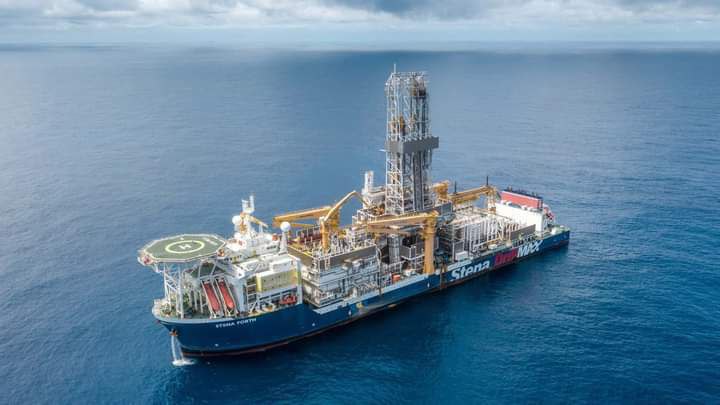
Formation pressure, also known as reservoir pressure, is the pressure exerted by fluids within the pores of a reservoir rock.

Casing is loaded by axial force and by internal and external pressure at the same time. Because steel yields under […]
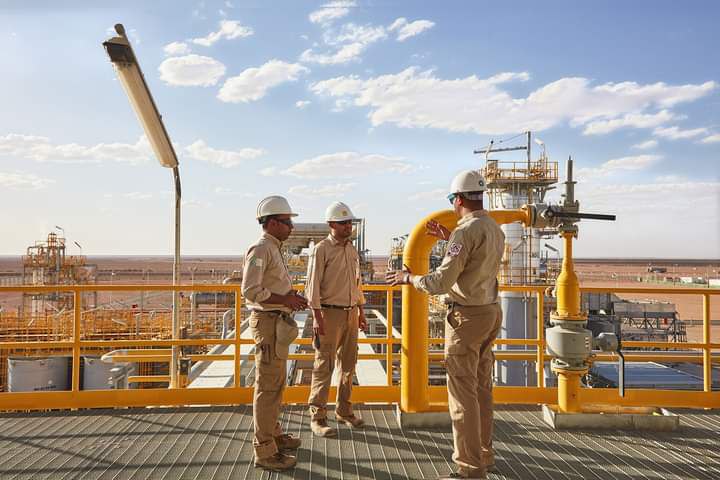
Well control is a critical aspect of drilling operations in the oil and gas industry, focusing on maintaining control over the pressure

Tubulars in a well carry axial compression in several situations: when weight is slacked off on a packer or liner […]