

Directional Well Planning: Choosing the Right Profile for Optimal Reservoir Access
Directional well planning converts a geological target into a drillable path. The profile (build-and-hold, S-shape, horizontal or multilateral) follows from […]
Directional well planning converts a geological target into a drillable path. The profile (build-and-hold, S-shape, horizontal or multilateral) follows from […]
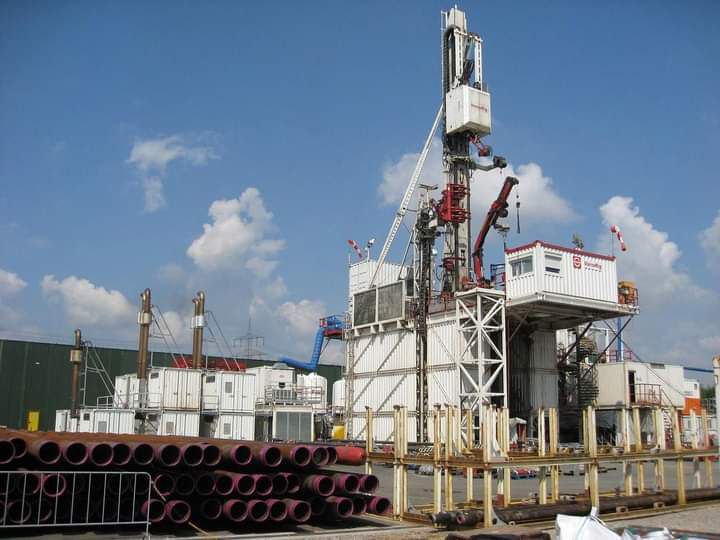
Squeeze cementing forces cement slurry under pressure into a specific leak path behind casing: perforations to be shut off, a […]
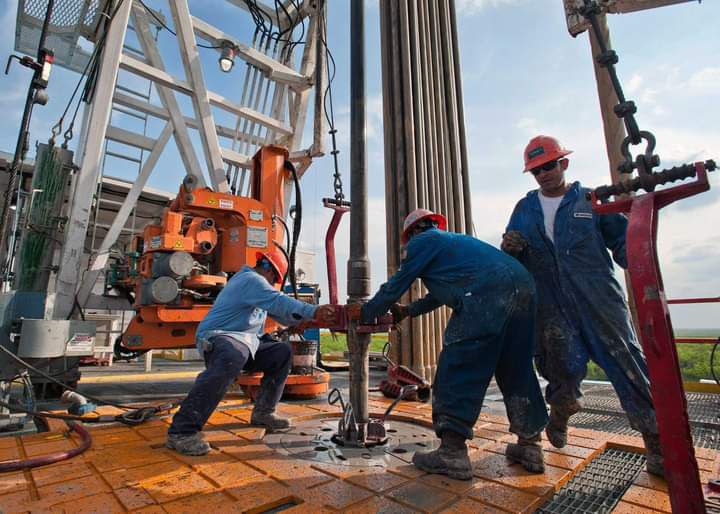
Every directional survey reports inclination and azimuth at a measured depth, with respect to stated references: vertical for inclination, a […]
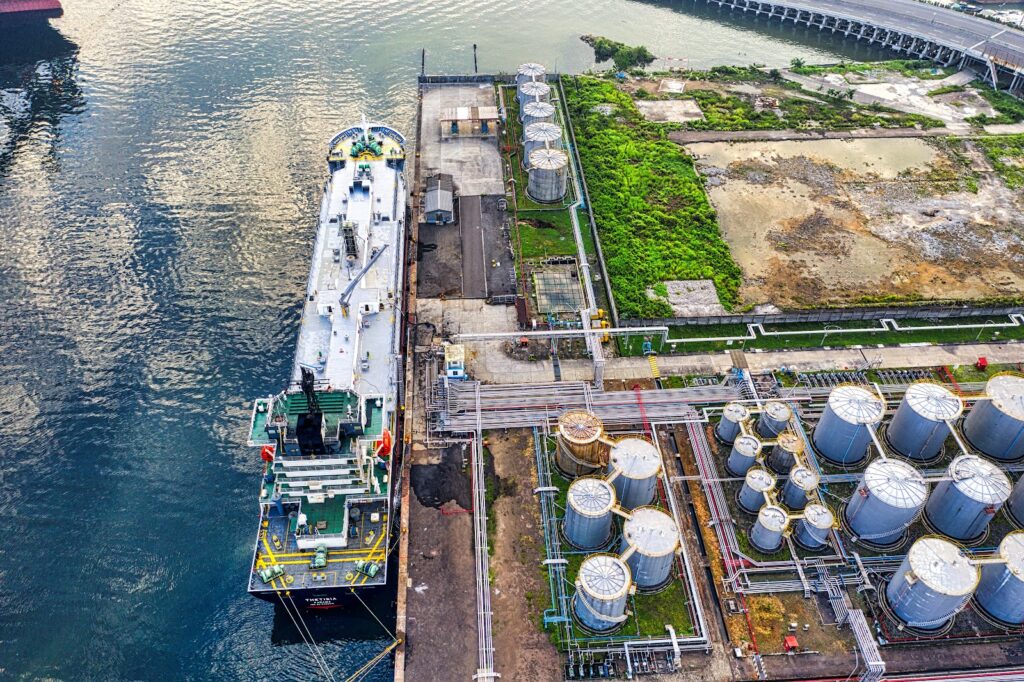
A cement plug is placed in a well to isolate zones, to give a base for a sidetrack, to cure […]

Every well position appears in the permit, the site survey, the directional plan and the anti-collision analysis. If these use […]

A liner is a casing string that does not reach the surface: it hangs from the bottom of the previous […]
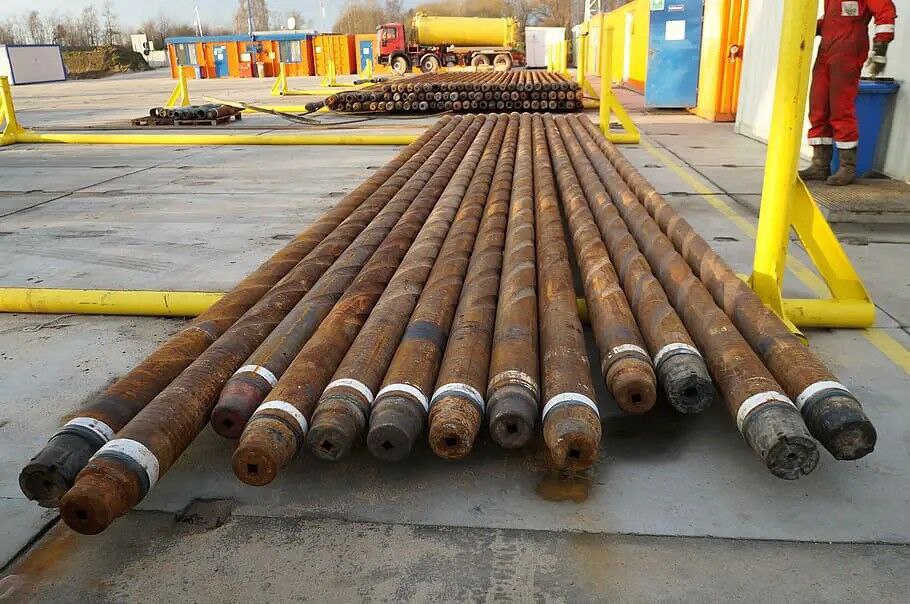
Directional drilling exists because a vertical well often cannot reach the reservoir from an acceptable surface location. Early applications in […]
Cementing calculations set how much slurry to mix, how much fluid to displace, what pressures the open hole will see […]

Cementing horizontal and high-angle sections combines fluid displacement, casing position, gravity, rheology and a pressure profile that changes as fluids […]
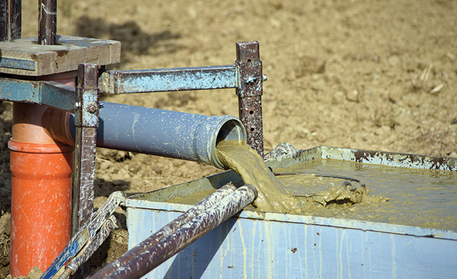
Washes and spacers are the fluids pumped between the drilling mud and the cement slurry. They keep the two apart, […]