

Directional Drilling in Petroleum Engineering
Directional drilling is a technique used in the oil and gas industry to steer the wellbore along a planned path to reach specific subsurface targets.
Directional drilling is a technique used in the oil and gas industry to steer the wellbore along a planned path to reach specific subsurface targets.
Casing must resist burst, collapse and tension at every depth, and each load case can govern a different part of […]
Well trajectory design: build-and-hold geometry, dogleg limits, minimum curvature calculations, survey uncertainty, anti-collision and geosteering basics.
A combination string uses two or more weights or grades in one casing string, so that each section is sized […]

Directional surveying is a fundamental process in the oil and gas industry that involves measuring and mapping the wellbore trajectory during drilling
Burst is failure of casing when the internal pressure exceeds what the wall can carry in the hoop direction. A […]
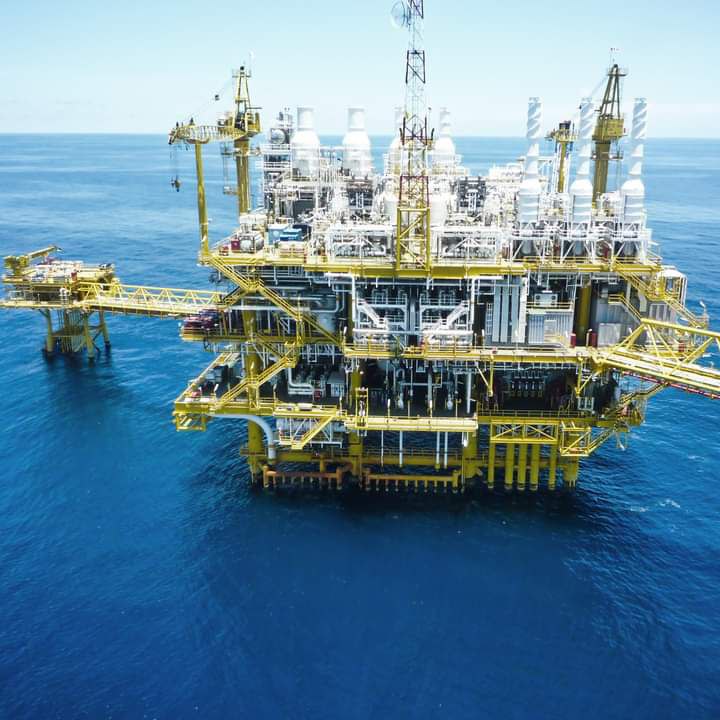
LWD is an advanced technique in the oil and gas industry that provides real-time formation evaluation data during drilling operations.
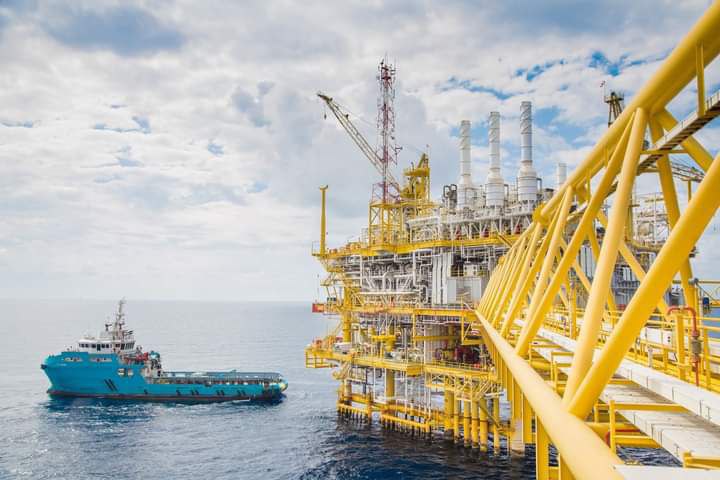
Collapse resistance is the external pressure differential a casing joint can take before it fails by yielding or by buckling […]
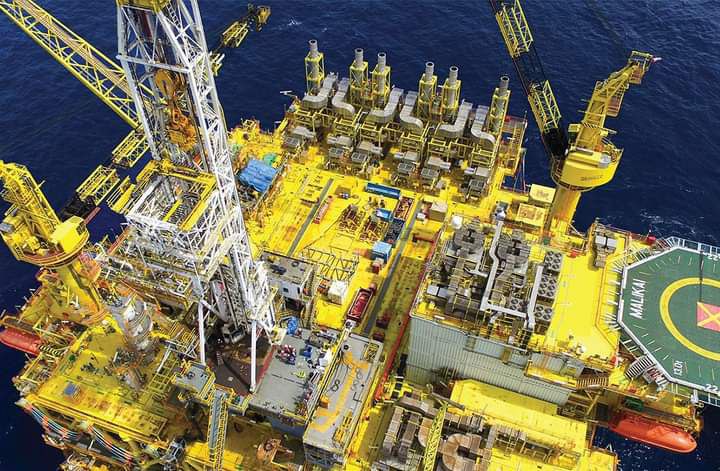
Measurement While Drilling (MWD) is a critical technology in petroleum engineering that provides real-time data during the drilling process.
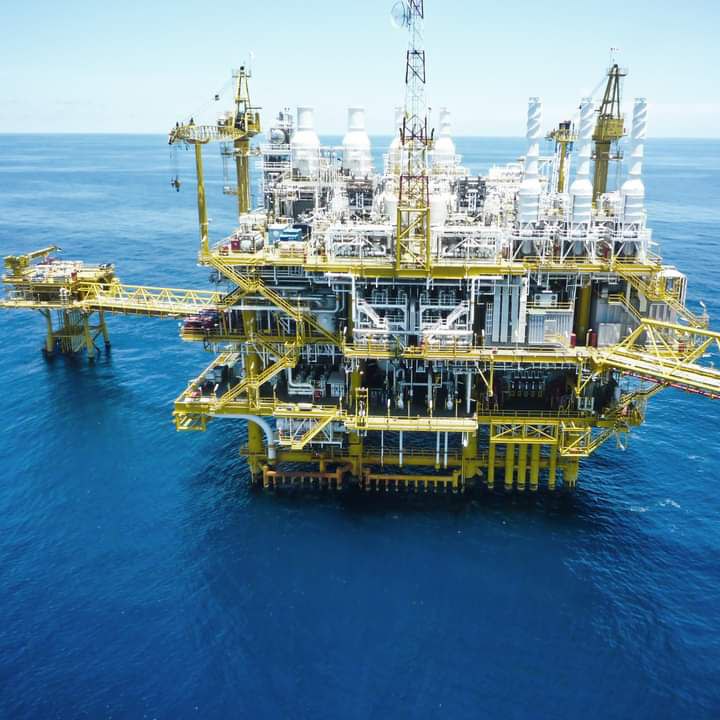
Casing design balances safety and cost: each string must withstand the worst credible loads of its life with a margin, […]