
Introduction to Petroleum Piping Systems: Pipe Standards, Wall Thickness Design, and Pressure Rating Selection
Piping carries every stream in a refinery, gas plant or terminal, from small instrument tubing to large transfer lines, at […]
Piping carries every stream in a refinery, gas plant or terminal, from small instrument tubing to large transfer lines, at […]
A safety instrumented system (SIS) is an independent protection layer that takes the process to a safe state when a […]
Oil and gas companies now plan against demand outlooks that differ widely. In the International Energy Agency's World Energy Outlook […]
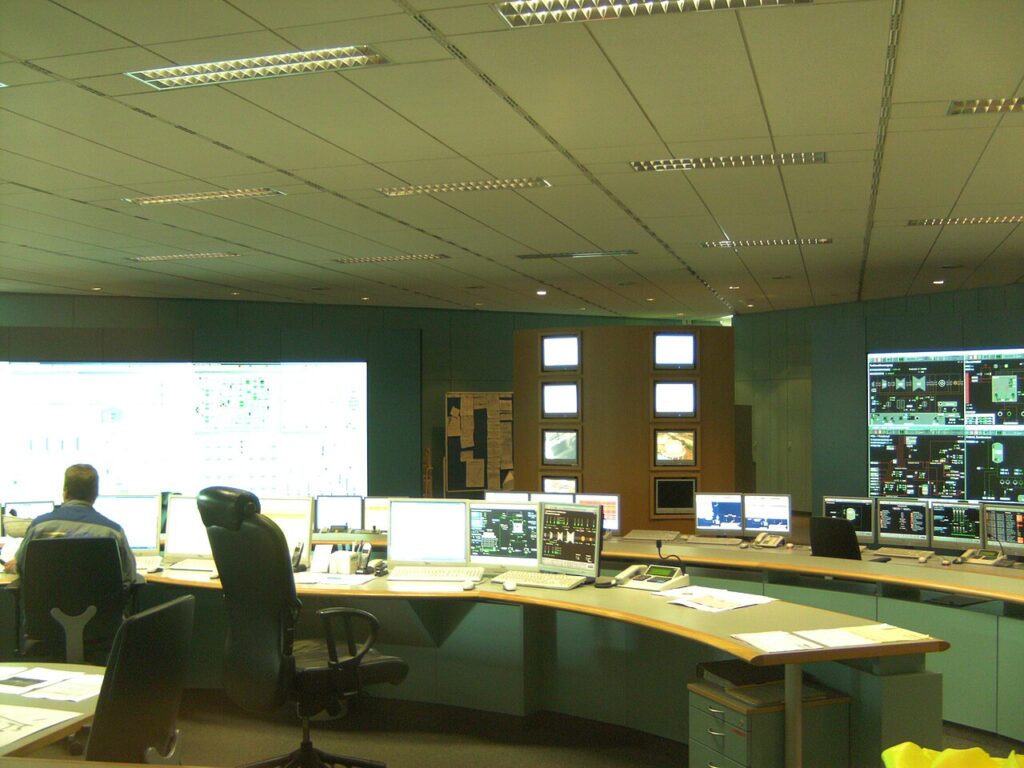
A distributed control system (DCS) runs the regulatory control of a process plant: thousands of measurements, hundreds of control loops, […]
Energy storage lets oil and gas facilities run fewer gas turbines, absorb variable wind or solar output and ride through […]
Flow measurement serves three different purposes in oil and gas: allocation between wells and partners, process control, and custody transfer, […]
Oil and gas wells reach depths where rock is hot. When a well stops producing, it normally has to be […]
Alkali-surfactant-polymer (ASP) flooding combines three chemicals in one slug. The surfactant, helped by soap that the alkali generates from acidic […]
Offshore wind and offshore oil and gas share marine structures, subsea cables, weather-limited maintenance and specialist vessels. Wind can supply […]
CO2 enhanced oil recovery (CO2-EOR) injects carbon dioxide to recover oil left after waterflooding. Part of the injected CO2 stays […]