
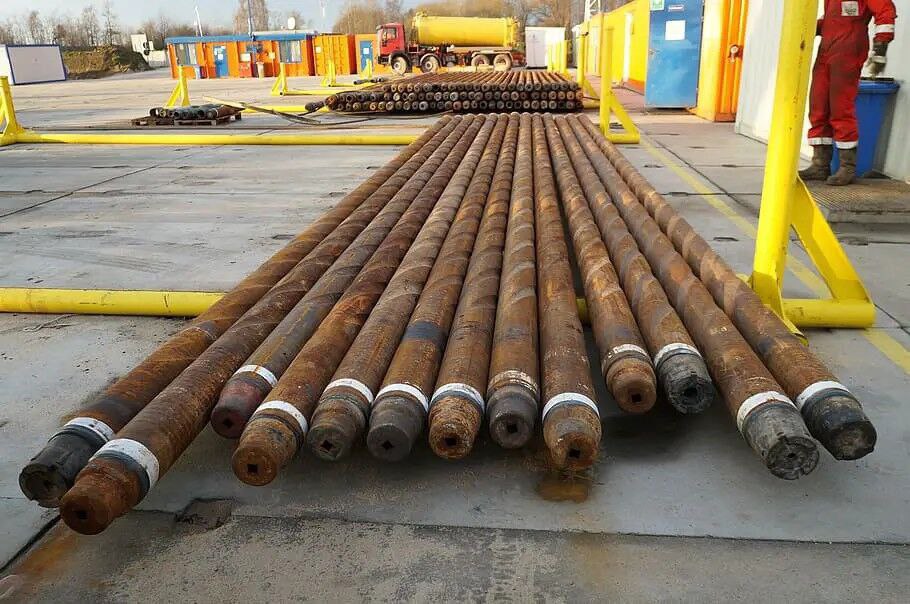
Casing in Oil & Gas Wells: Types, Design, and Installation Explained
Casing is the backbone of a well.
Whether drilling onshore or offshore, effective casing design ensures well integrity, formation isolation, and safe
Casing is the backbone of a well.
Whether drilling onshore or offshore, effective casing design ensures well integrity, formation isolation, and safe
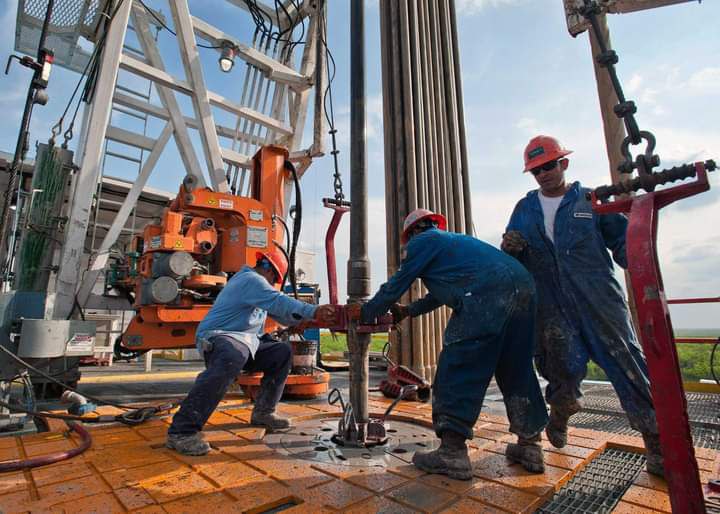
Drilling mud does several jobs at once: it controls formation pressure, carries cuttings to surface, cools and lubricates the bit, […]
To calculate the duration of a cementing operation, you need to determine how long it will take to pump the required volume of cement slurry

Why are synthetic-based muds preferred in environmentally sensitive areas?
Because drilling fluids aren’t just about hole cleaning they’re at the core
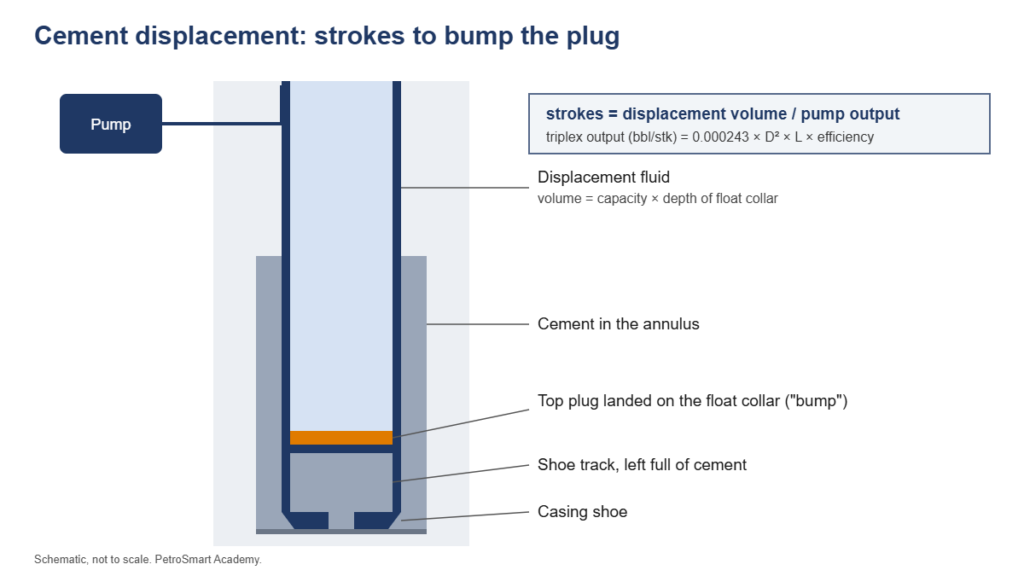
Calculating the number of strokes required to displace cement during a cementing job involves determining the volume of fluid that needs to be

What makes barite the go-to weighting agent in drilling?
Because drilling fluids are not just mud they're engineered systems designed to tackle

Why use a two-stage cementing operation?
In complex wellbore environments, a single cementing stage may not provide adequate zonal isolation or well
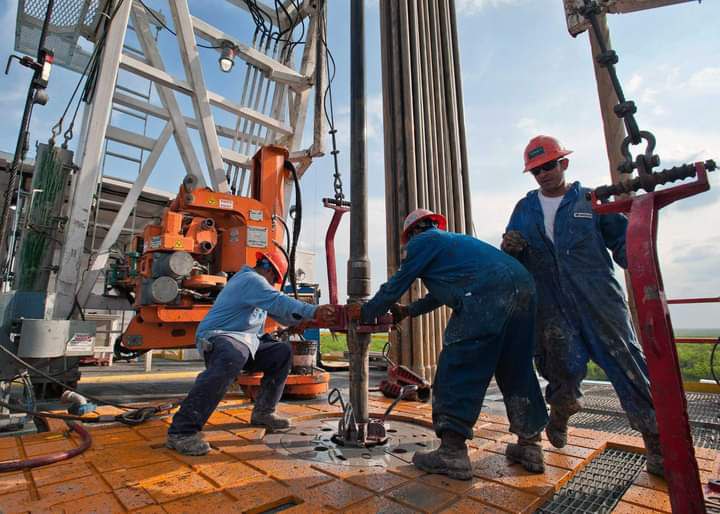
How can drilling fluids prevent blowouts while boosting bit performance?
Known as the lifeblood of drilling operations, drilling fluids (or "mud")
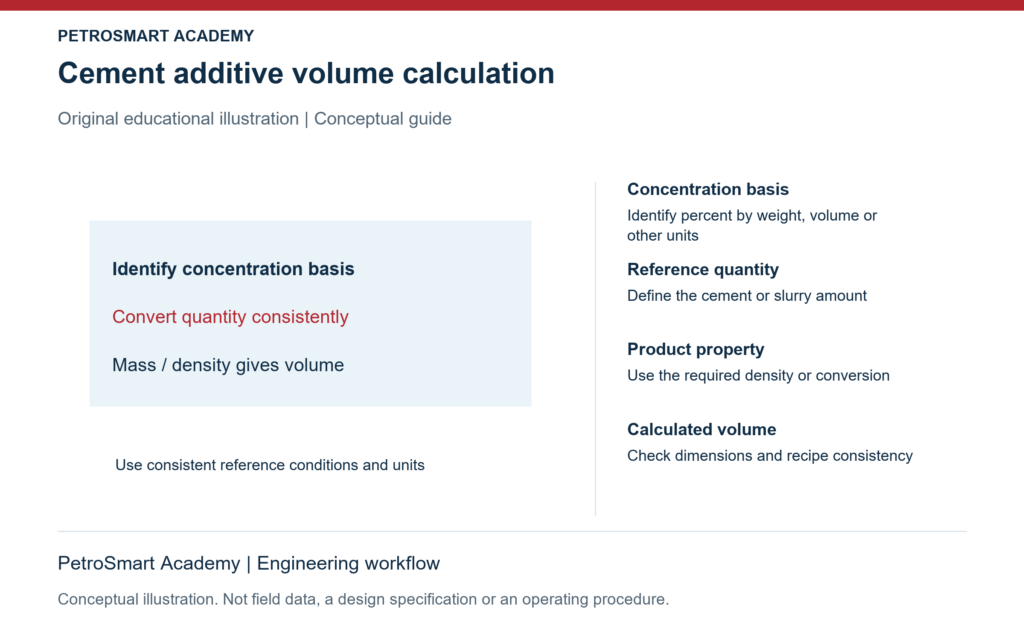
Designing a cement slurry with accurate additive volumes is crucial for ensuring the desired density, viscosity, setting time, and well integrity.
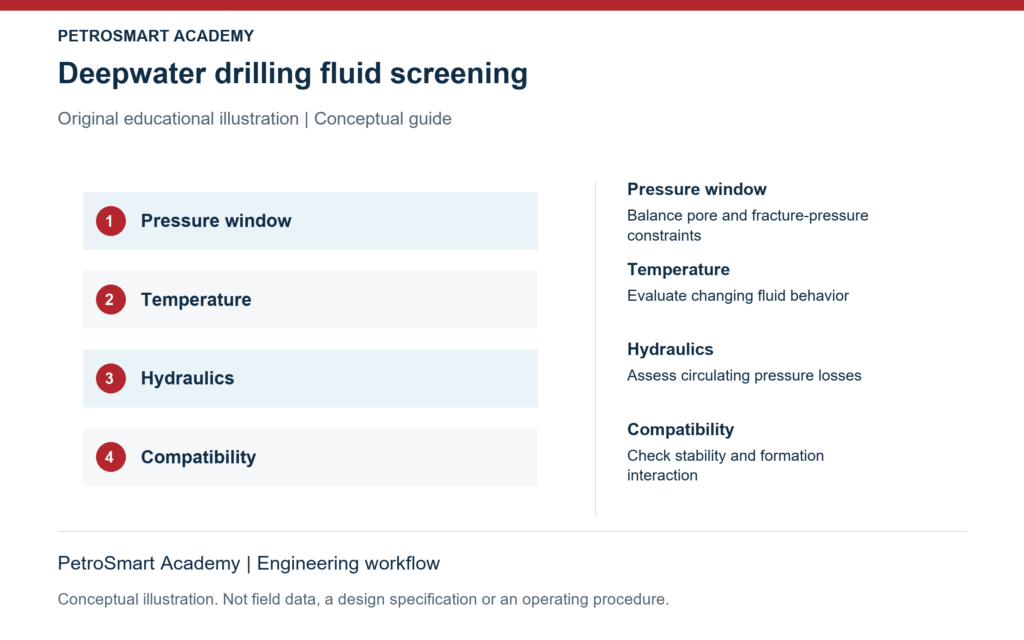
Deepwater drilling fluid selection: density window and ECD, riser margin, water-based versus non-aqueous fluids, hydrates and discharge rules.