
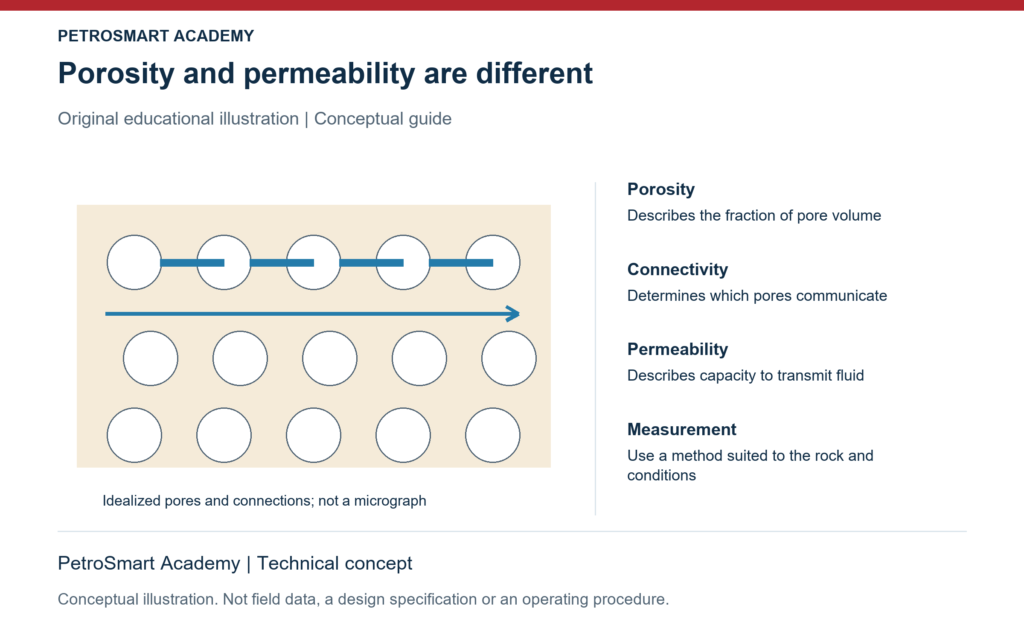
Permeability: The Unsung Hero of Reservoir Performance
Permeability quantifies a rock's ability to transmit fluids through its interconnected pore network. It’s measured in darcies (D) or more commonly
Permeability quantifies a rock's ability to transmit fluids through its interconnected pore network. It’s measured in darcies (D) or more commonly
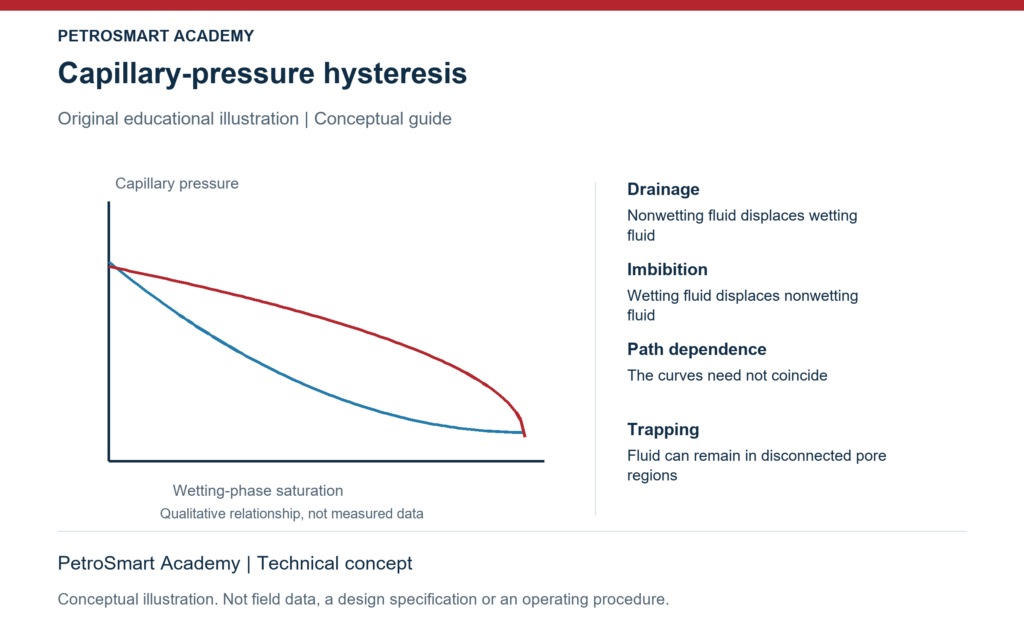
Capillary hysteresis occurs when the relationship between capillary pressure and fluid saturation follows different paths depending on whether

Surface tension is the force that acts on the surface of a liquid due to cohesive molecular interactions. It creates an effect similar to a stretched
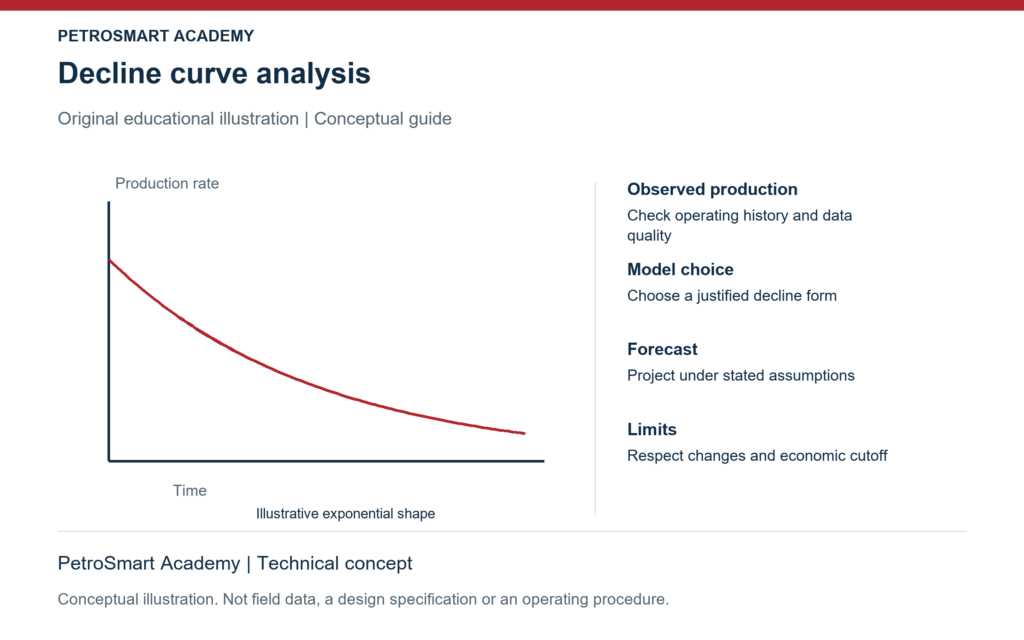
In petroleum engineering, the ability to predict future production from oil and gas wells is essential for effective planning, asset valuation,

In petroleum engineering, Original Oil in Place (OOIP) is one of the most fundamental and influential concepts. Whether you're an industry veteran
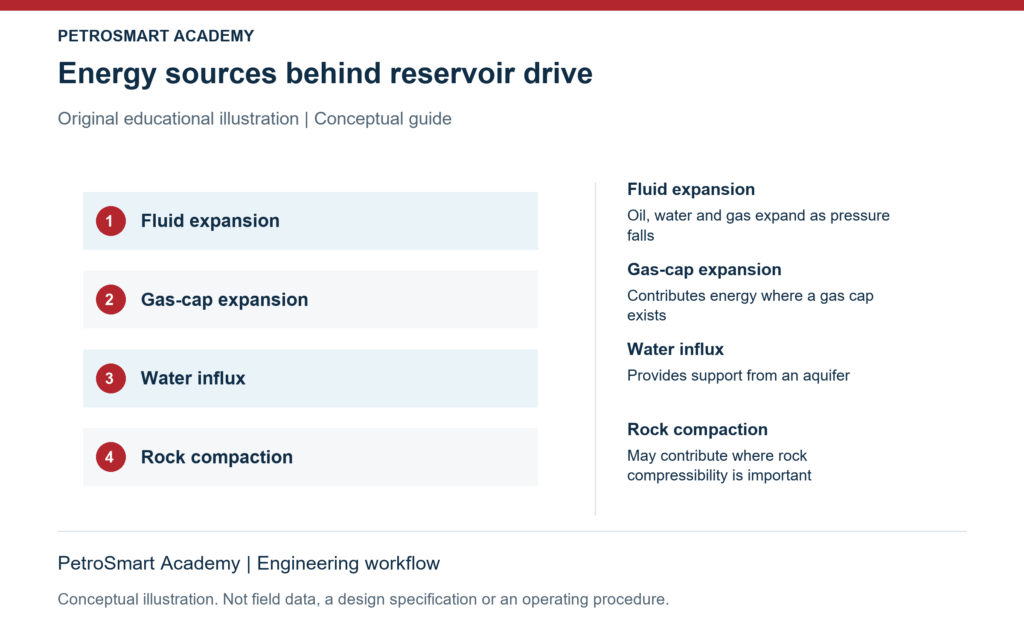
Understanding Reservoir Drive Mechanisms: Key to Maximizing Oil Recovery
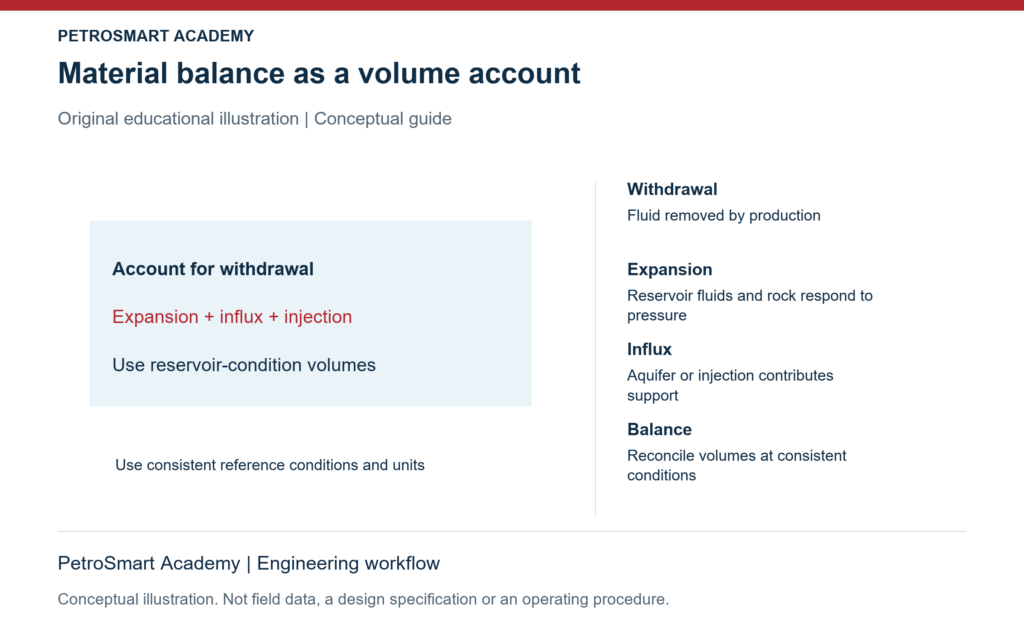
The Material Balance Equation (MBE) is one of the most powerful analytical tools in reservoir engineering. Grounded in the law of conservation
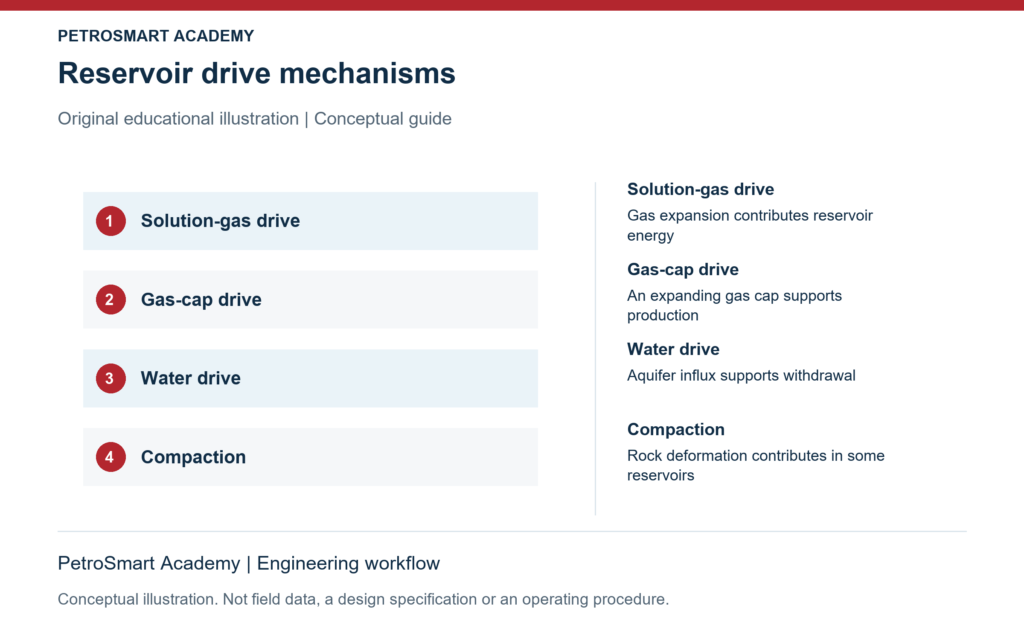
Understanding reservoir drive mechanisms is essential for predicting production performance and designing efficient recovery strategies. These natural
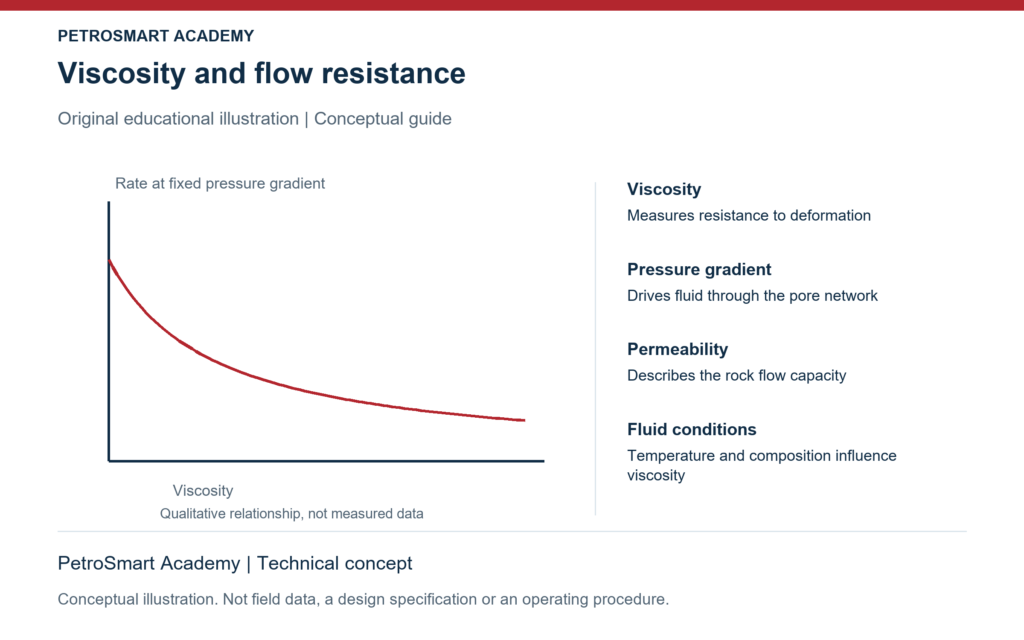
Viscosity is one of the most important properties of reservoir fluids impacting everything from flow through porous rocks to production efficiency
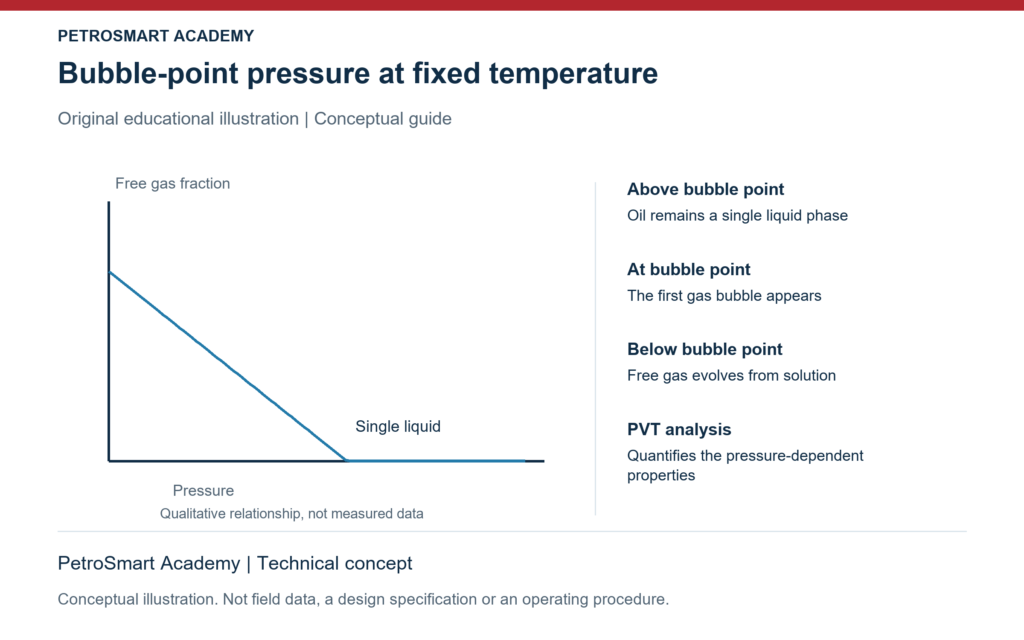
Bubble Point Pressure (Pb) is one of the most critical parameters in reservoir engineering. It dictates when gas begins to separate from oil,