
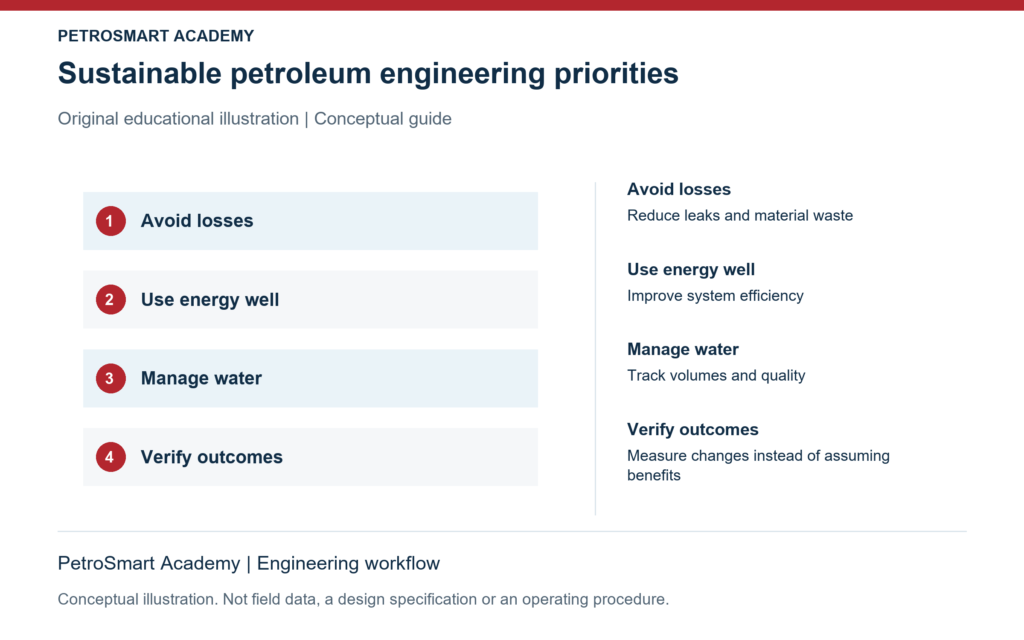
Sustainable Petroleum Engineering: The Road to Greener Oil & Gas
Sustainable petroleum engineering aims to produce oil and gas with fewer emissions, less water and land impact, and responsible end-of-life […]
Sustainable petroleum engineering aims to produce oil and gas with fewer emissions, less water and land impact, and responsible end-of-life […]
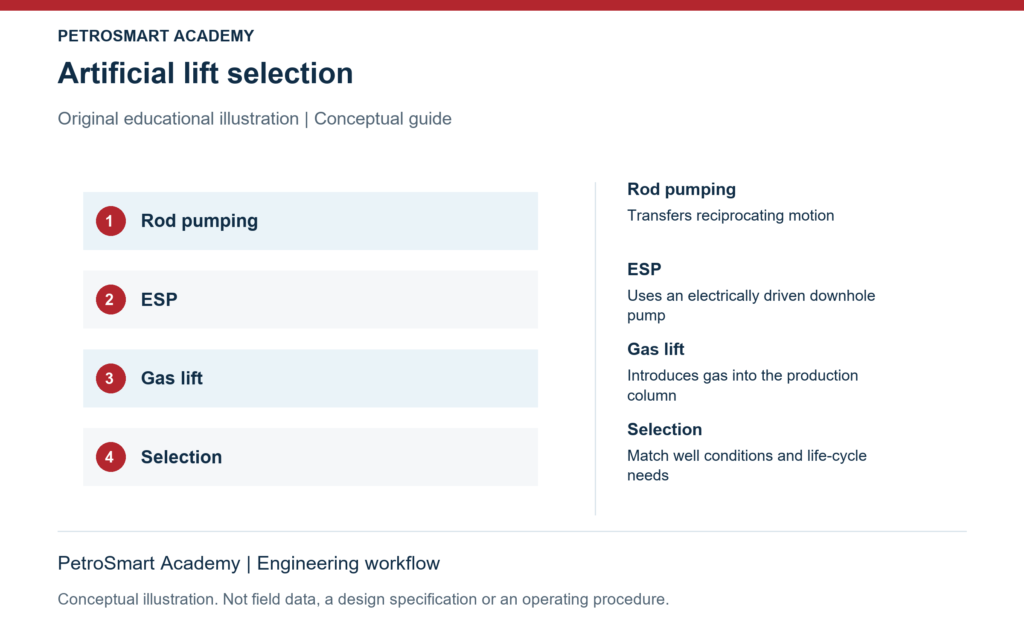
Artificial lift adds energy to the produced fluid when the reservoir pressure can no longer lift it to surface at […]
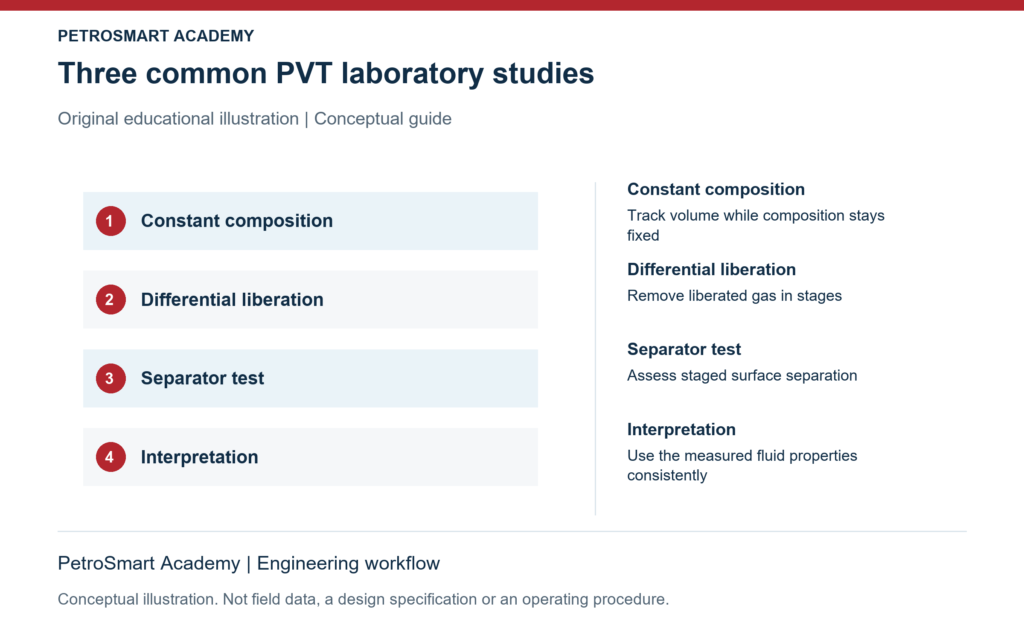
In petroleum engineering, the constant-composition expansion (CCE) test, differential liberation test, and separator test are essential PVT
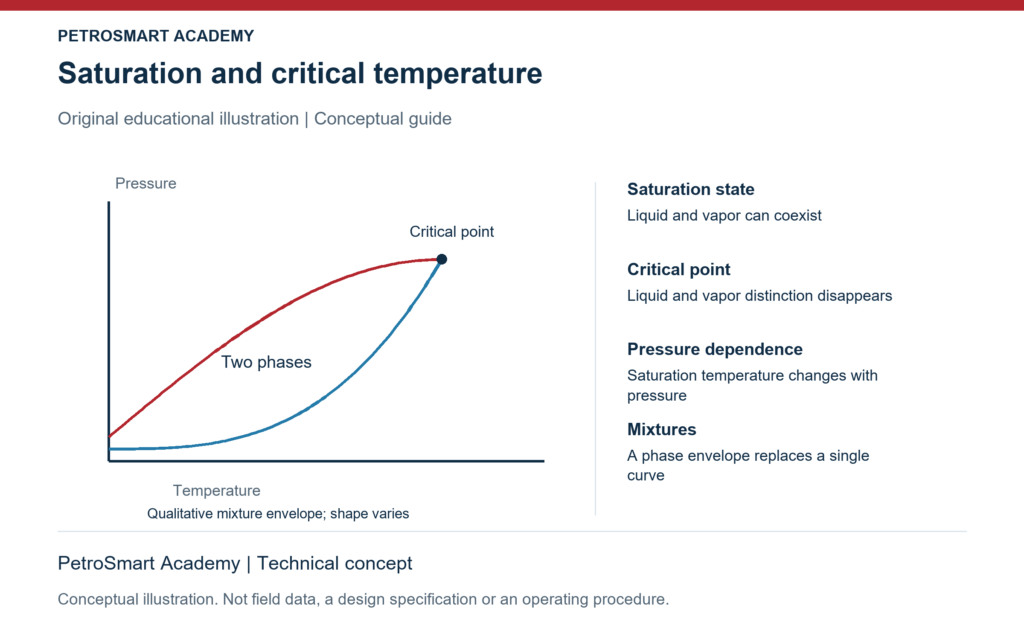
In reservoir fluid analysis, understanding the difference between saturation temperature and critical temperature is essential, as these concepts are

Pressure transient analysis (PTA) measures reservoir properties at the scale the well actually drains, hundreds of feet or more, rather […]
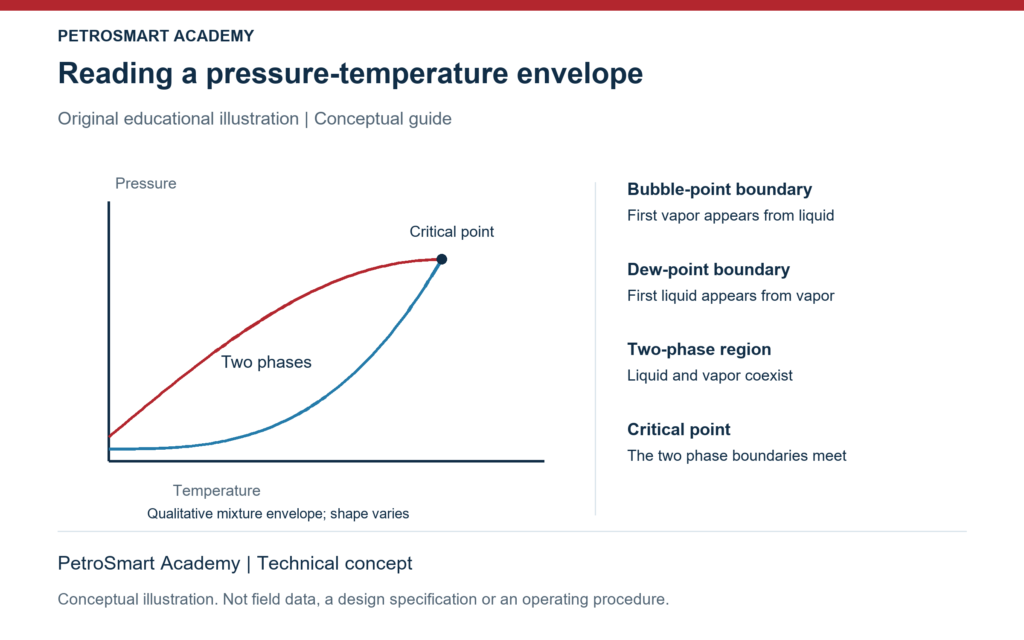
A pressure vs. temperature (P-T) phase diagram, also known as a phase envelope, is a key tool in understanding the phase behavior of reservoir fluids.
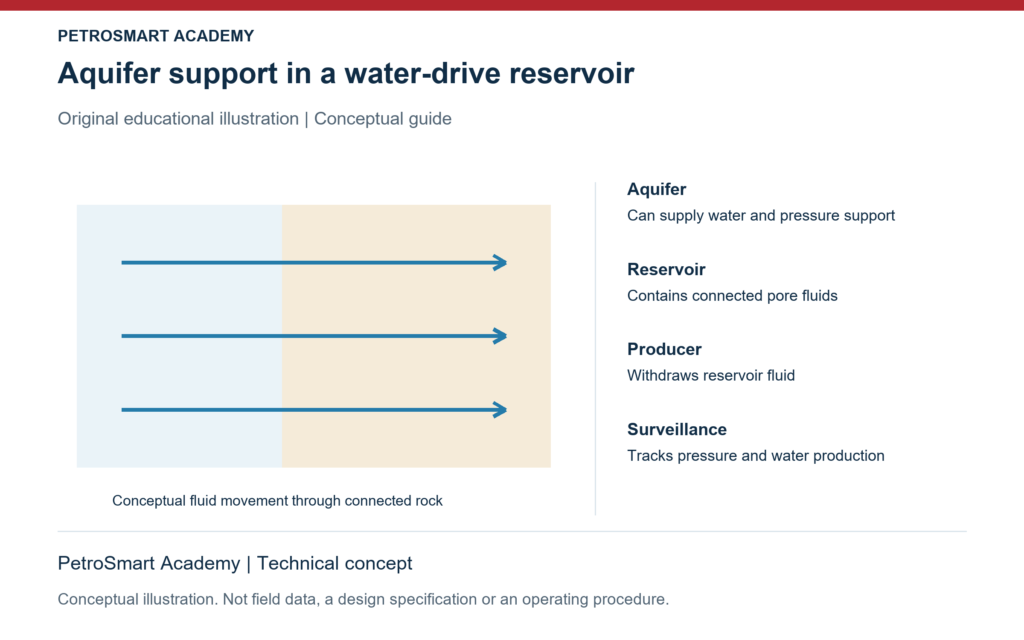
In a water-drive reservoir, an aquifer connected to the oil or gas zone supplies water as reservoir pressure falls, replacing […]
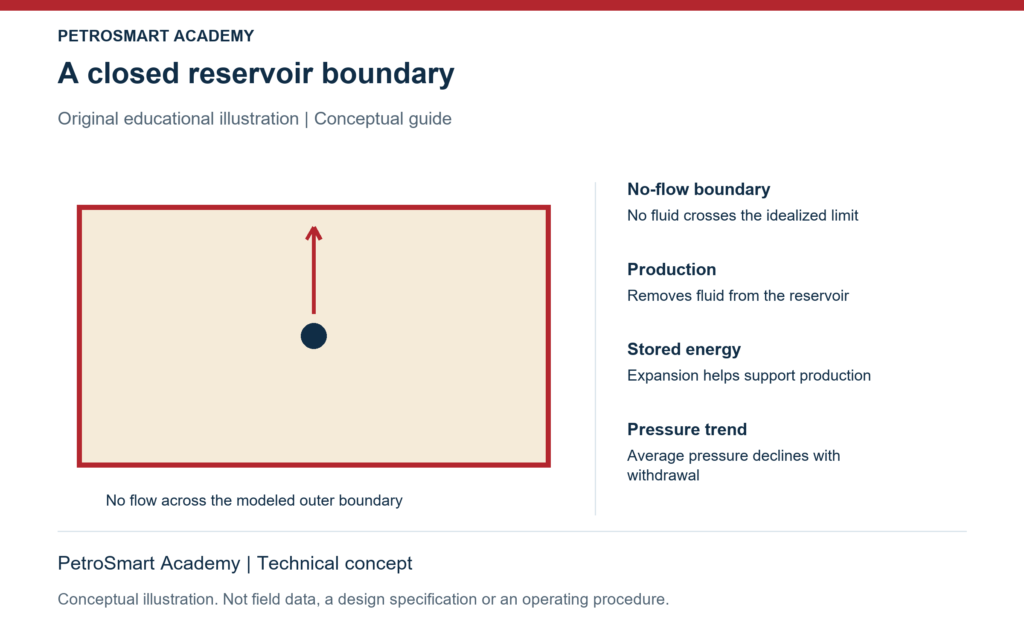
A closed reservoir has no flow across its outer boundary: no aquifer influx and no leakage. Wells inside it can […]

In the field of petroleum engineering, understanding the type of fluids contained within a reservoir is critical for efficient resource extraction.
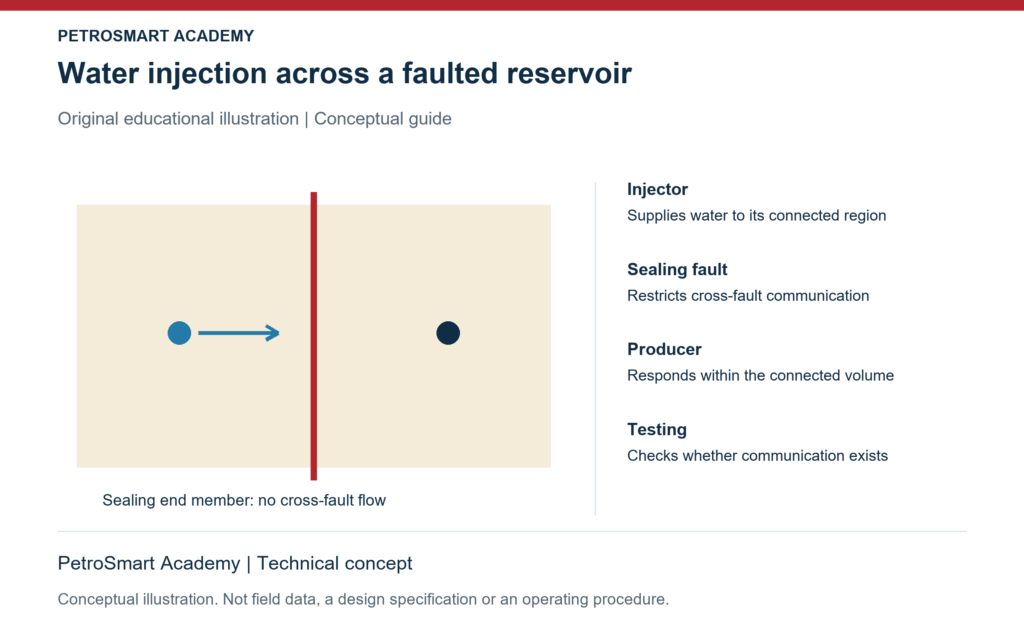
Faults divide many reservoirs into blocks. When a fault restricts flow, water injected on one side may support only part […]