
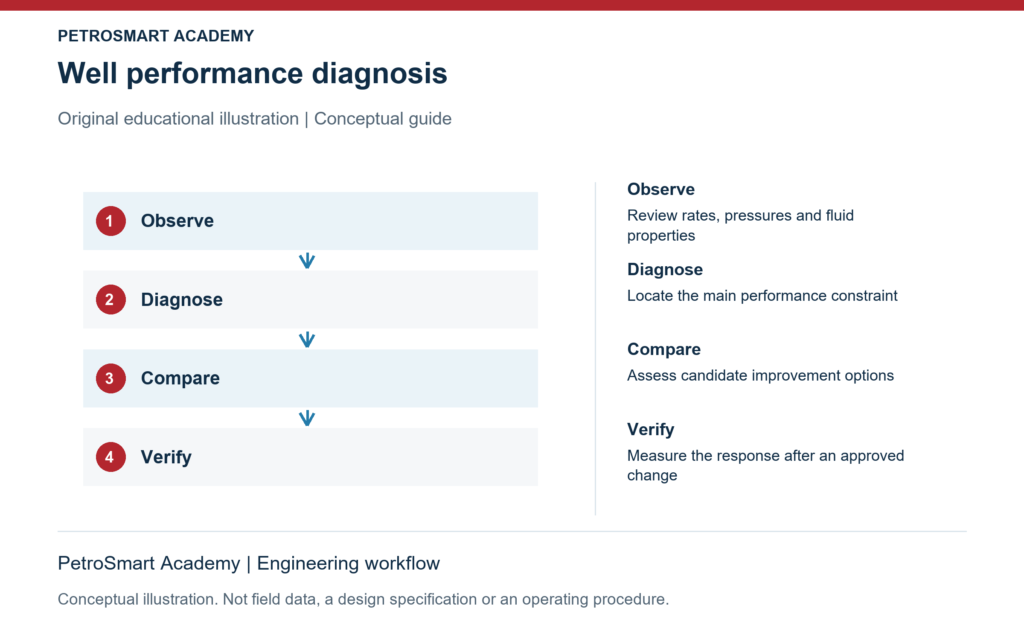
Enhancing Well Performance in Petroleum Engineering
Well performance is the result of two linked systems: the reservoir delivering fluid to the wellbore, described by the inflow […]
Well performance is the result of two linked systems: the reservoir delivering fluid to the wellbore, described by the inflow […]
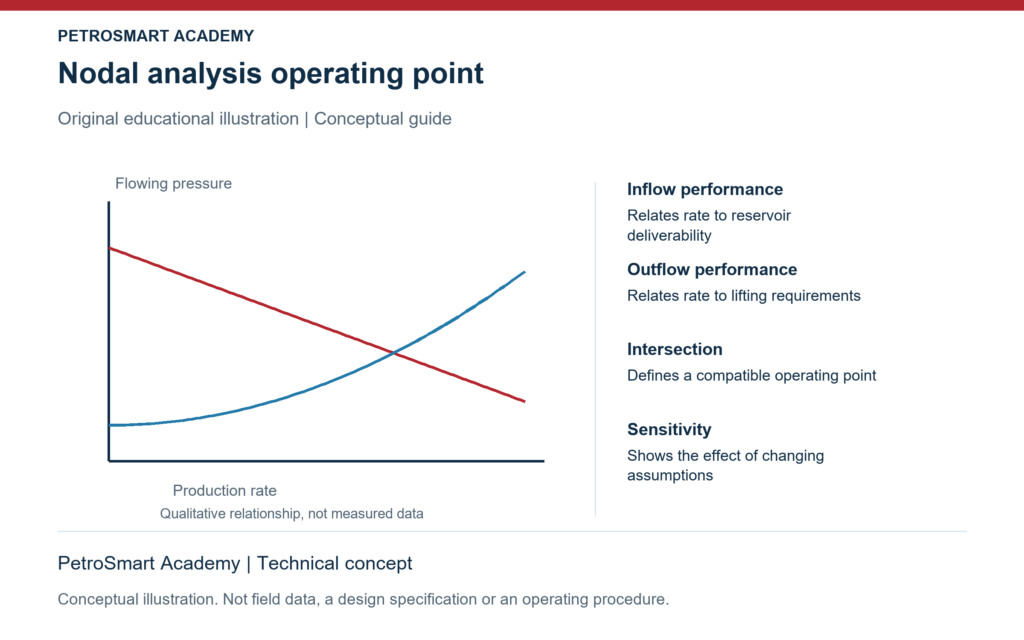
Nodal analysis evaluates a production system by splitting it at a point (the node) and comparing what the reservoir can […]
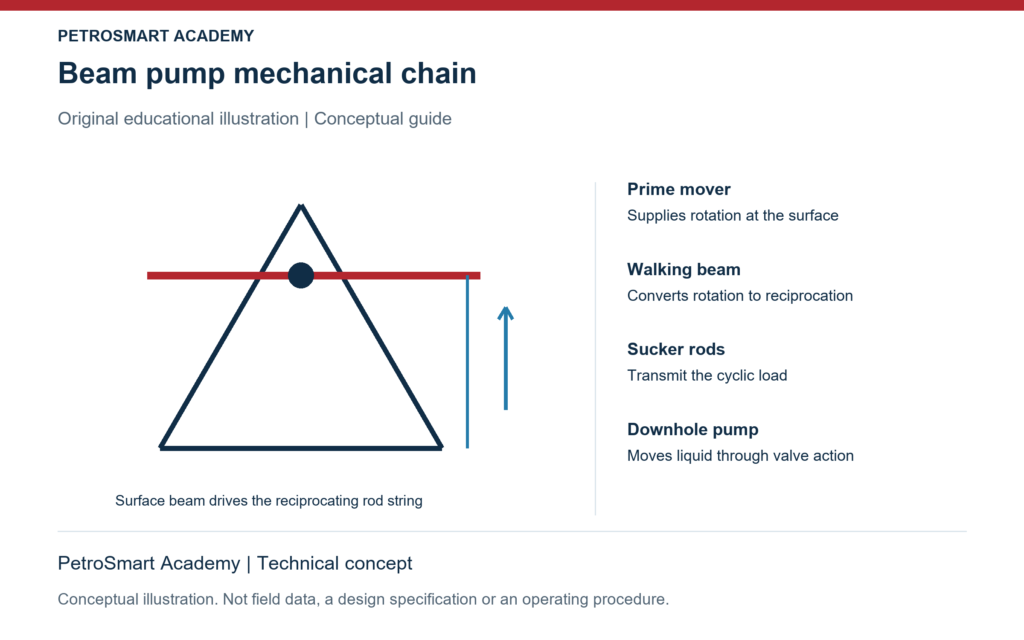
The beam pumping unit converts the rotation of a motor into the reciprocating motion of a sucker rod string that […]
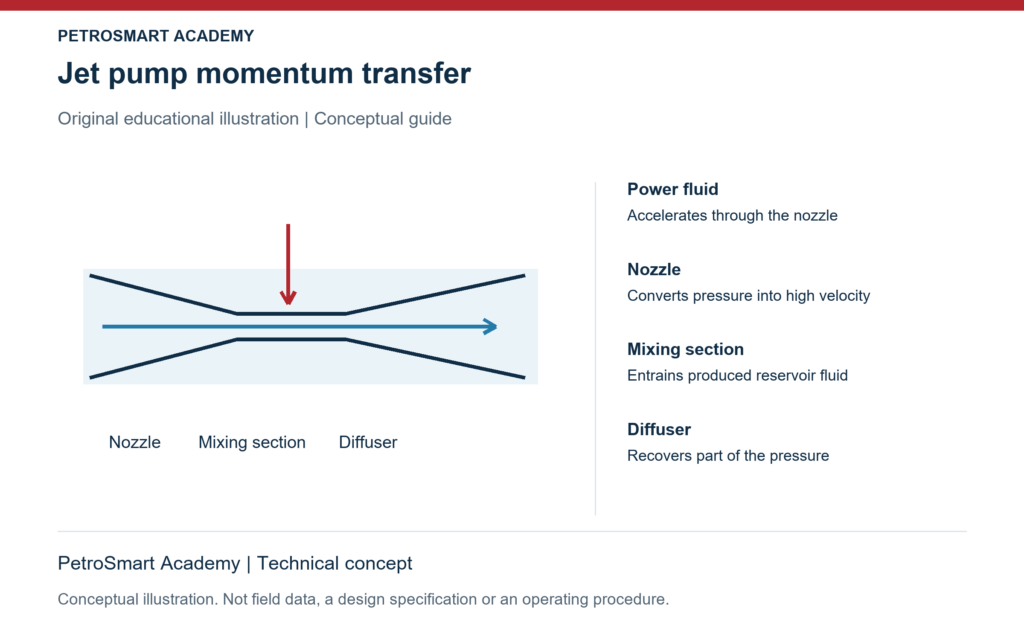
A hydraulic jet pump lifts well fluid by momentum transfer. High-pressure power fluid pumped from surface accelerates through a nozzle, […]
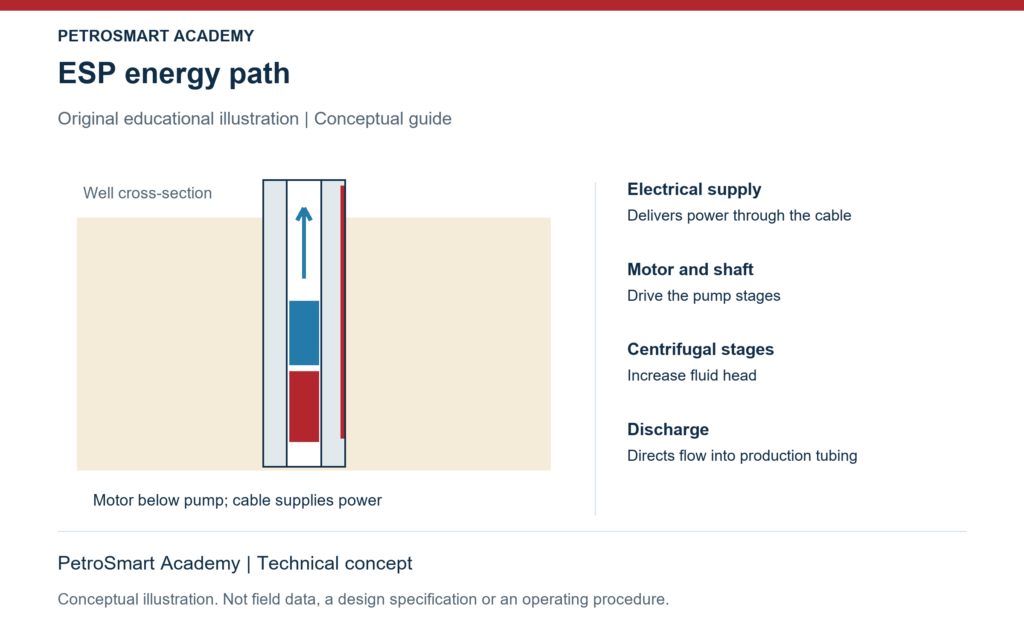
An electrical submersible pump (ESP) is a multistage centrifugal pump driven by a downhole electric motor, powered from surface by […]
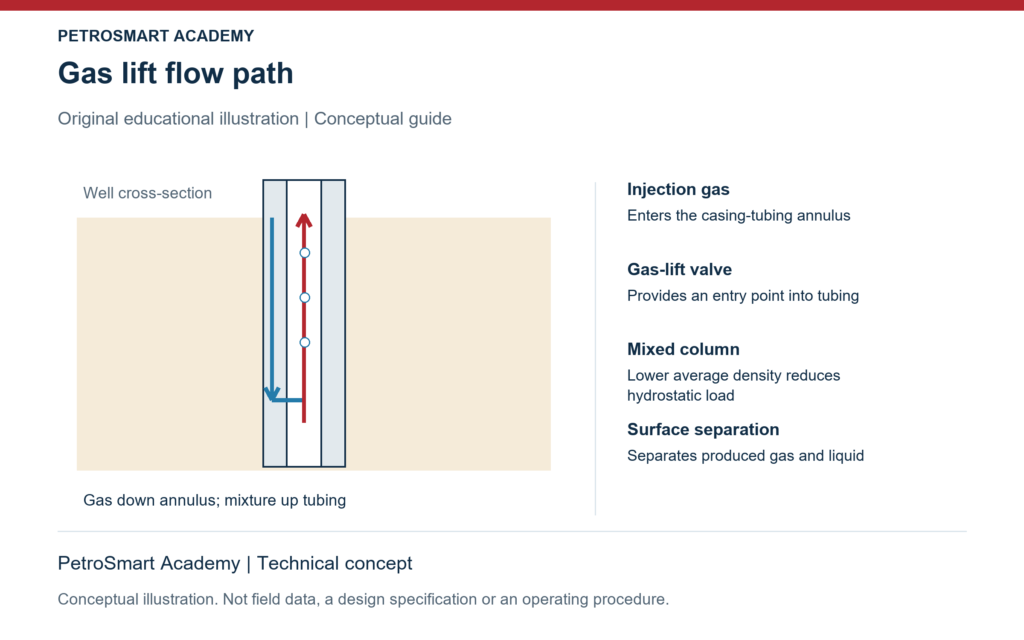
Gas lift is a widely used artificial lift method in petroleum engineering, designed to enhance the production of oil and gas from wells where natural
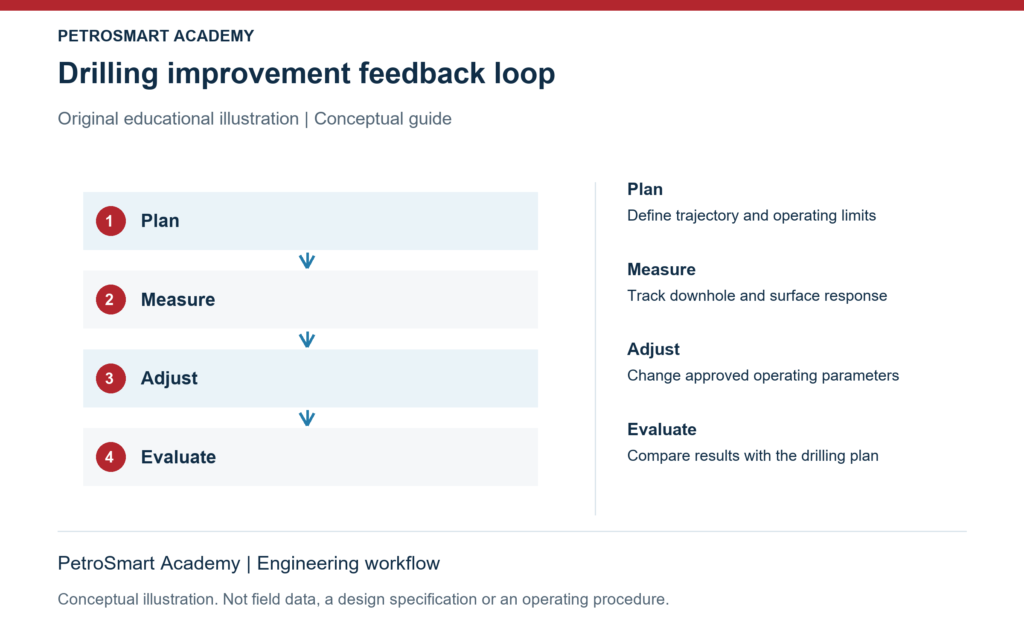
Drilling performance depends on the whole system: steering, measurements, pressure control, bits, fluids and execution. This guide explains rotary steerable […]
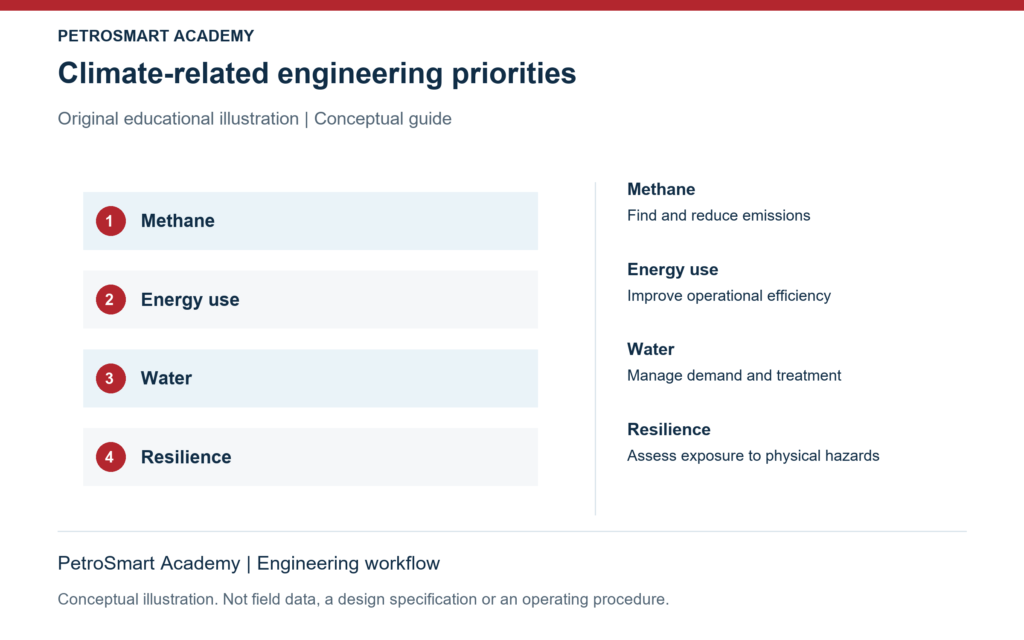
For an upstream operator, climate change is first an engineering measurement problem: where the greenhouse gases come from, how much […]
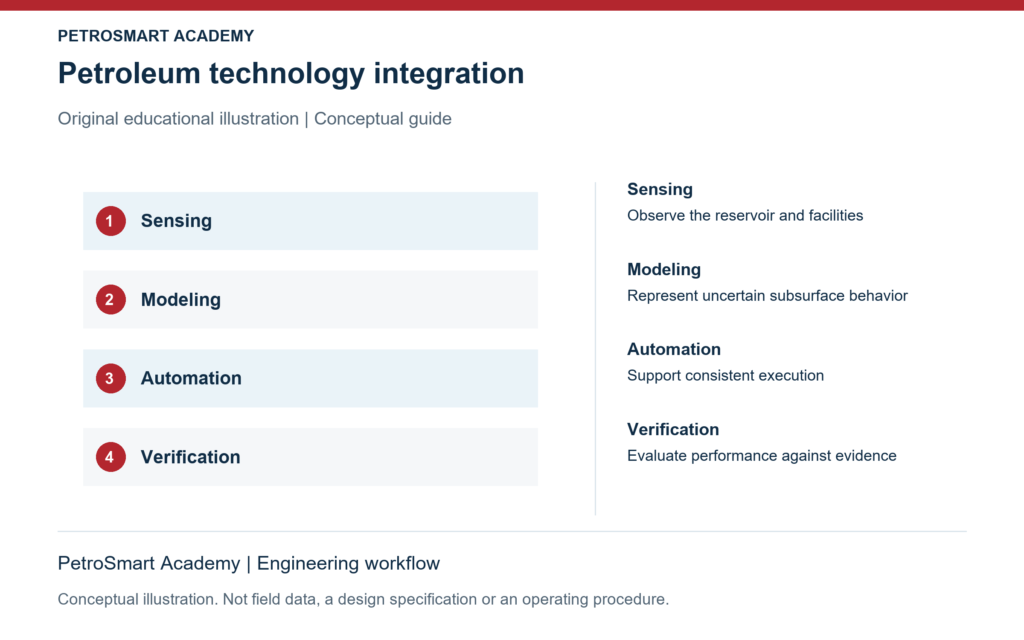
Digital oilfield technologies change what engineers can see and how fast they can act on it. This article covers the […]
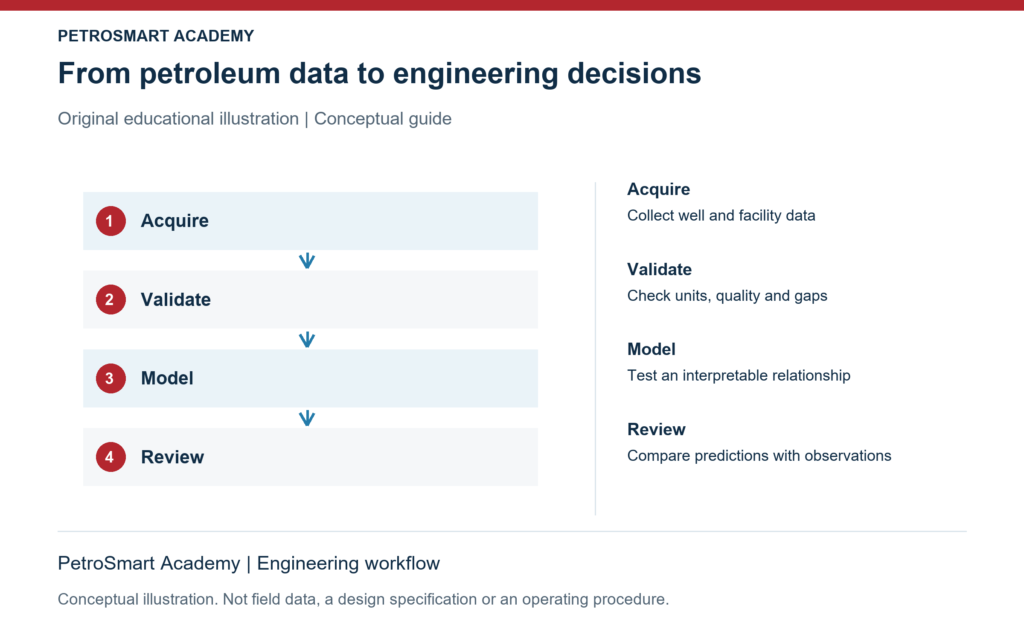
Data science in petroleum engineering combines engineering knowledge with statistics and machine learning to extract decisions from logs, tests, production […]